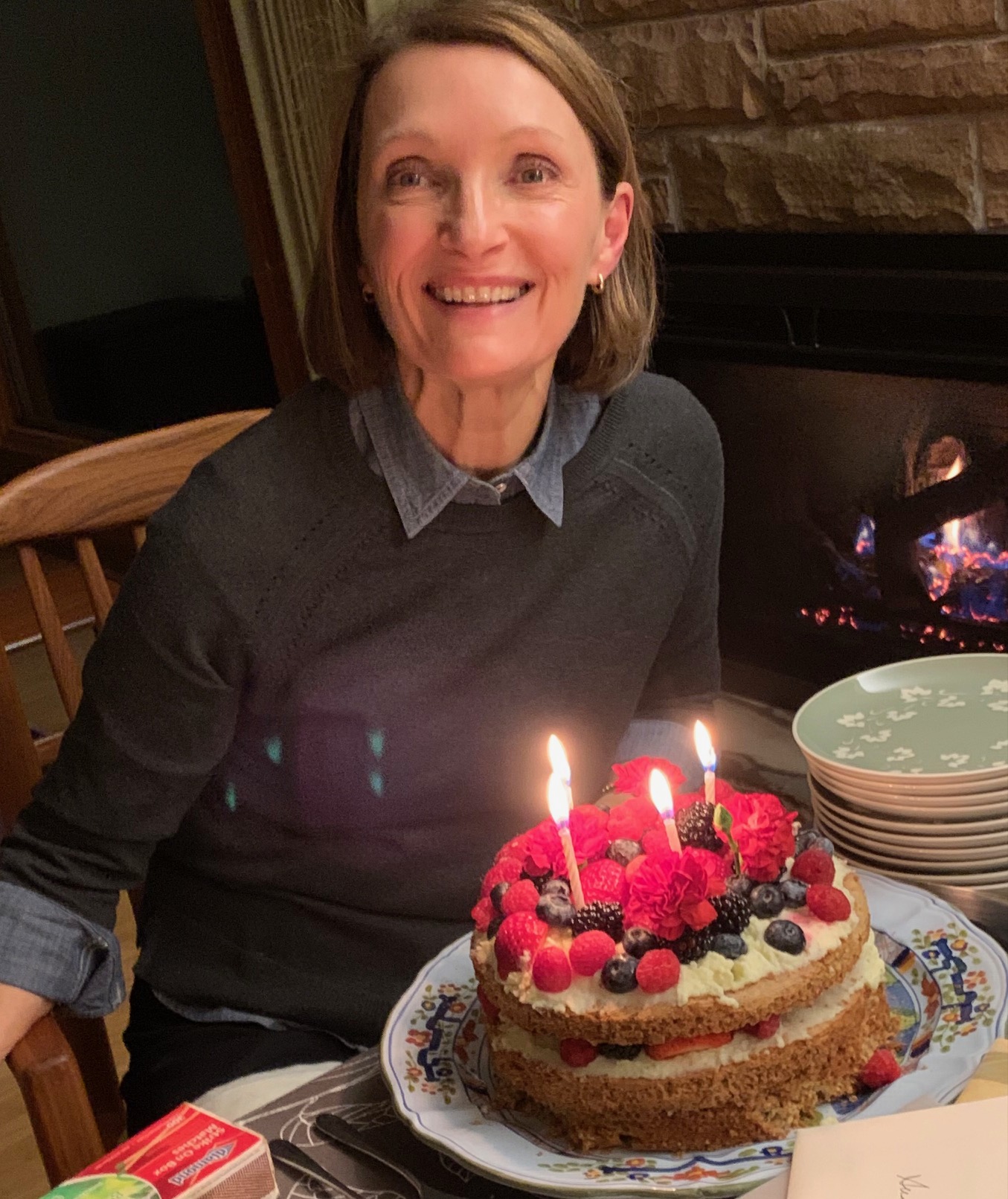
Why Susan reached out
Susan came in wanting support with overeating and emotional eating. She was clear about one thing early: she was not looking for another diet. She wanted to change her relationship with food, even though the path forward felt uncertain.
The real goal
Very quickly, Susan realized this work was not just about food rules. The deeper aim became building trust in her body and in herself, so she could respond to cravings and strong emotions with skill instead of reaction.
What we did together
A consistent theme in our work was: "Become curious. Collect the data. Look for patterns."
Susan describes the support as science-backed habit change strategies and practical tools, including:
- A hunger journal (tracking time, food, hunger before/after, and eating speed)
- Body-based awareness to differentiate true hunger from thirst, fatigue, stress, or "the clock"
- Craving tools that helped her pause, observe, and choose a non-food response
- Flexible coaching: multiple approaches, humor, optimism, and revisiting methods when she was ready
Early win: learning what "just enough" feels like
Susan's skepticism was met with structure, not dismissal. After just a few days of tracking and paying attention, she began to recognize what "just enough" actually feels like — which shifted eating from guesswork into self-trust.
Cravings: from battle to curiosity
Cravings were a major challenge, especially habitual ones. Susan noticed patterns — such as craving a snack every time she got home. Instead of trying to overpower the craving, she learned to greet it with curiosity:
That shift reduced urgency and opened up choice. Some cravings she mastered quickly, others became longer-term practice, but the change was durable because it was based on awareness, not restriction.
The unexpected transformation
One of the biggest outcomes was transferability. The non-food strategies Susan developed for cravings became tools she could use with grief, loneliness, and stress. The work expanded from food freedom into emotional resilience and life navigation.
Identity-level change
What made it work
Susan describes Edie's coaching style as: empathy and humor, multiple approaches (no one-size-fits-all), patience with resistance, relentless belief in her ability to grow, and a steady return to the truth: the only way forward was through the work.
Susan's recommendation